
The Real Meaning of a Sourcing Agent: More Than Just a Middleman
Not all foreign clients choose to bypass sourcing agents and directly contact factories. Some clients are highly capable—for example, they speak Chinese fluently, have local partners in China, or even maintain an office here. Naturally, such clients are fully able to connect with factories directly.
There are also large overseas companies with extremely strict cost control measures that actively seek out source factories—on the condition that these factories meet their strict qualification certifications and compliance requirements.
In reality, however, especially overseas, there are many small and medium-sized B2B clients who may have limited language communication skills and lack the ability to handle centralized purchasing or manage multiple suppliers simultaneously. To put it simply, they find the process too cumbersome.
When these clients choose to work with a sourcing agent, they are essentially outsourcing the complex process of "connecting with suppliers" to a professional. The service fee you earn is actually compensation for the time, communication, and screening costs you save them.
As a sourcing agent with local resource advantages in China, they can integrate multiple factories, coordinate logistics, and control product quality—packaging these fragmented services into a complete, turnkey solution. What a sourcing agent does is facilitate and integrate resources, lowering the transaction threshold for both buyers and factories.
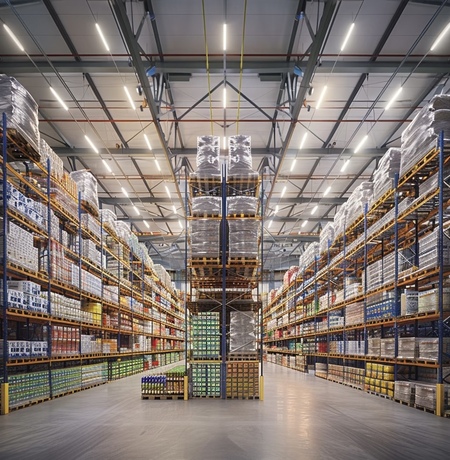
Another common scenario is when a client needs to purchase a batch of goods that comes from seven or eight different suppliers. A sourcing agent takes on the responsibility of gathering products from each supplier into a single warehouse, and even consolidating them into a full container for shipment. This "one-stop purchasing" service is extremely valuable to foreign buyers.
I have a friend —he works as a part-time sourcing agent. He has a long-term client who specializes in purchasing a specific type of stainless steel drain basket with extremely high craftsmanship requirements.
He searched around Guangdong but couldn’t find a factory that met the client’s standards. Later, through his wife’s connections, he finally found a qualified factory in Ningbo. It took a great deal of effort and communication to meet the client’s strict requirements.
You might ask: Does he deserve to earn that service fee? Absolutely. Because he solved the problem of information asymmetry and provided matching value. For the client, he eliminated the trouble of searching for a needle in a haystack to find the right factory; for the factory, he brought a reliable source of orders.
This is the real meaning of a sourcing agent’s existence: it is not simply buying and reselling goods, but making transactions smoother through professional services and resource integration—creating a win-win situation for all parties involved.